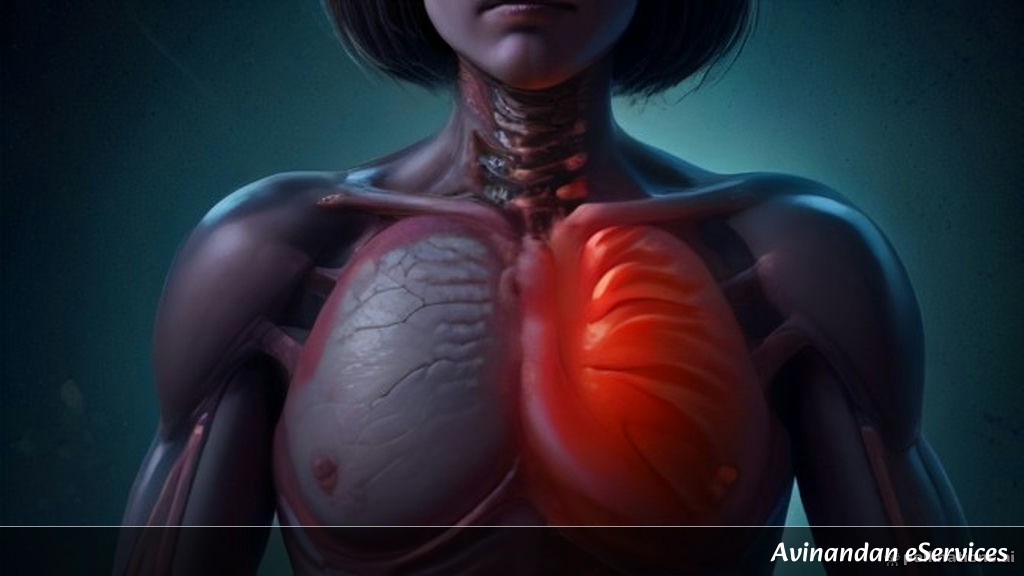
Introduction to Human Respiratory System for RRB Exams
The human respiratory system is a crucial topic in General Science, frequently appearing in competitive examinations conducted by the Railway Recruitment Board (RRB), including RRB NTPC, RRB Group D, and RRB Technician exams. Biology forms a significant portion of the General Science section, and understanding how the human body takes in oxygen and expels carbon dioxide is essential for scoring high.
Respiration is the biochemical process in which the cells of an organism obtain energy by combining oxygen and glucose, resulting in the release of carbon dioxide, water, and ATP (Adenosine Triphosphate). In RRB exams, questions range from direct anatomical identification of organs (like the alveoli, trachea, and diaphragm) to physiological processes (like gaseous exchange and transport of gases) and respiratory disorders.
Topic Weightage and Importance
In RRB NTPC and RRB Group D examinations, the General Science section carries substantial weightage, contributing about 20 to 25 questions depending on the tier. Within General Science, Life Sciences (Biology) accounts for roughly 40% of the questions. Out of these, human physiology topics—specifically the respiratory, circulatory, and excretory systems—frequently see 2 to 3 direct questions in every shift.
Aspirants can expect questions on:
- Functions and parts of the respiratory tract.
- The role of hemoglobin and transport of respiratory gases.
- Volume and capacity of human lungs.
- Common respiratory diseases like asthma, bronchitis, emphysema, and occupational lung diseases.
- Cellular respiration mechanisms (aerobic vs. anaerobic).
Key Concepts and Formulas
To master the human respiratory system, candidates must be thoroughly familiar with the anatomical pathways and physiological terminologies. Here is a breakdown of the core concepts:
1. Pathway of Air
Air enters the body and travels through a specific sequence of organs: Nostrils $ ightarrow$ Nasal Cavity $ ightarrow$ Pharynx $ ightarrow$ Larynx (Voice Box) $ ightarrow$ Trachea (Windpipe) $ ightarrow$ Bronchi $ ightarrow$ Bronchioles $ ightarrow$ Alveoli (Air Sacs).
2. Alveoli: The Functional Unit
Alveoli are tiny, balloon-like air sacs surrounded by a dense network of capillaries. They provide a massive surface area for gaseous exchange via simple diffusion. Oxygen diffuses from the alveoli into the blood, while carbon dioxide diffuses from the blood into the alveoli.
3. Mechanism of Breathing
Breathing (Ventilation) involves two phases:
- Inhalation (Inspiration): The diaphragm contracts and moves downward, and the ribs move upward and outward. This increases the thoracic volume, decreases the internal pressure, and draws air into the lungs.
- Exhalation (Expiration): The diaphragm relaxes and moves upward, and the ribs move downward and inward. This decreases the thoracic volume, increases the internal pressure, and pushes air out of the lungs.
4. Respiratory Pigments and Gas Transport
Oxygen is primarily transported by hemoglobin, an iron-containing protein found in red blood cells, forming oxyhemoglobin ($HbO_2$). Carbon dioxide is transported in three ways: dissolved in plasma (about 7%), bound to hemoglobin as carbaminohemoglobin (about 23%), and as bicarbonate ions ($HCO_3^-$) in the blood plasma (about 70%).
Solved Examples (Step-by-Step)
Let us look at some standard multiple-choice questions commonly asked in RRB exams, complete with detailed explanations.
Example 1: Pathway Identification
Question: Which of the following correctly traces the path of air during inhalation in humans?
Options:
A) Nasal cavity $ ightarrow$ Pharynx $ ightarrow$ Trachea $ ightarrow$ Larynx $ ightarrow$ Bronchi
B) Nasal cavity $ ightarrow$ Pharynx $ ightarrow$ Larynx $ ightarrow$ Trachea $ ightarrow$ Bronchi $ ightarrow$ Alveoli
C) Larynx $ ightarrow$ Pharynx $ ightarrow$ Trachea $ ightarrow$ Alveoli
D) Trachea $ ightarrow$ Bronchi $ ightarrow$ Pharynx $ ightarrow$ Larynx
Solution: The correct anatomical sequence of air flow starts from the nasal cavity, passes through the pharynx (throat) and larynx (voice box), enters the trachea (windpipe), branches into the bronchi, moves into bronchioles, and finally reaches the alveoli. Therefore, Option B is correct.
Example 2: Gas Transport
Question: In what primary form is carbon dioxide transported through the blood in the human body?
Options:
A) Dissolved gas in plasma
B) Carbaminohemoglobin
C) Bicarbonate ions ($HCO_3^-$)
D) Oxyhemoglobin
Solution: Carbon dioxide is transported in the blood primarily in the form of bicarbonate ions dissolved in the plasma, accounting for roughly 70% of total $CO_2$ transport. Hence, Option C is the correct answer.
Example 3: Diaphragm Function
Question: During inhalation, what happens to the diaphragm?
Options:
A) It relaxes and arches upward
B) It contracts and flattens downward
C) It remains stationary
D) It dissolves temporarily
Solution: When inhaling, the muscular diaphragm contracts and moves downward (flattening), which increases the volume of the thoracic cavity and lowers air pressure inside the lungs, allowing outside air to rush in. Thus, Option B is correct.
Common Mistakes to Avoid
Aspirants often lose marks due to minor confusions in biology terminology. Keep these common pitfalls in mind:
- Confusing Inhalation and Exhalation Mechanics: Remember that during inhalation, thoracic volume increases and pressure decreases. Do not reverse this process.
- Forgetting the Larynx-Trachea Order: Air passes through the pharynx first, then the larynx (voice box), and then the trachea (windpipe). Do not place the trachea before the larynx.
- Misunderstanding Gas Transport Percentages: Do not assume oxygen is transported as bicarbonate; oxygen is carried by hemoglobin, while $CO_2$ is mostly carried as bicarbonate ions.
- Ignoring Respiratory Disorders: Many students focus only on the anatomy and skip diseases like emphysema, occupational lung diseases, and asthma, which are frequent targets for RRB question setters.
Practice Questions with Solutions
Test your knowledge with these 6 high-yield practice questions carefully curated for RRB NTPC and Group D aspirants.
Q1: What is the primary respiratory organ in aquatic animals like fish?
A) Lungs
B) Gills
C) Skin
D) Trachea
Q2: Which part of the human brain controls the involuntary rate of respiration?
A) Cerebrum
B) Cerebellum
C) Medulla Oblongata
D) Hypothalamus
Q3: What is the name of the flap of cartilage that prevents food from entering the windpipe during swallowing?
A) Glottis
B) Epiglottis
C) Pharynx
D) Larynx
Q4: Which disease is characterized by chronic inflammation of the bronchi and bronchioles leading to breathing difficulty?
A) Pneumonia
B) Asthma
C) Tuberculosis
D) Pleurisy
Q5: What is the normal breathing rate of an average adult human at rest per minute?
A) 5-8 times
B) 12-16 times
C) 25-30 times
D) 35-40 times
Q6: Which respiratory pigment gives blood its red color and binds reversibly with oxygen?
A) Hemocyanin
B) Chlorophyll
C) Hemoglobin
D) Myoglobin
Answers and Explanations:
1. Answer: B) Gills
Explanation: Gills are specialized respiratory structures in fish and other aquatic organisms that \textract dissolved oxygen from water.
2. Answer: C) Medulla Oblongata
Explanation: The respiratory center is located in the medulla oblongata and pons region of the brainstem, which regulates involuntary breathing rhythms.
3. Answer: B) Epiglottis
Explanation: The epiglottis is a leaf-like flap of cartilage behind the tongue that covers the windpipe during swallowing to prevent choking.
4. Answer: B) Asthma
Explanation: Asthma is a chronic respiratory condition causing airway inflammation, narrowing, and excess mucus production, leading to wheezing and shortness of breath.
5. Answer: B) 12-16 times
Explanation: An average healthy adult human breathes approximately 12 to 16 times per minute while at rest.
6. Answer: C) Hemoglobin
Explanation: Hemoglobin is an iron-rich protein inside red blood cells that reversibly binds oxygen for transport throughout the body.
Frequently Asked Questions (FAQs)
Q1: Are questions from human physiology repeated in RRB NTPC and Group D exams?
Yes, questions regarding human organ systems, especially respiratory, circulatory, and nervous systems, are frequently repeated across multiple shifts and exam cycles.
Q2: How much time should I spend on biology for RRB General Science?
Biology accounts for nearly half of the General Science questions. Dedicate at least 3-4 days to each major system, focusing on diagrams, functions, and key terminologies.
Q3: Is it necessary to memorize scientific terms in English or Hindi?
RRB exams are conducted in multiple regional languages as well as English and Hindi. However, learning core scientific terms like 'Alveoli', 'Diaphragm', and 'Trachea' helps avoid confusion across translated question papers.
Conclusion and Final Tips
Mastering the human respiratory system is an achievable goal that guarantees secure marks in the General Science section of RRB NTPC and Group D examinations. Focus heavily on anatomical pathways, mechanisms of breathing, and gas transport mechanisms. Practice previous years' questions diligently and revise your notes regularly to build speed and accuracy. Stay consistent, maintain a positive attitude, and success in your Indian Railways career journey is well within reach!