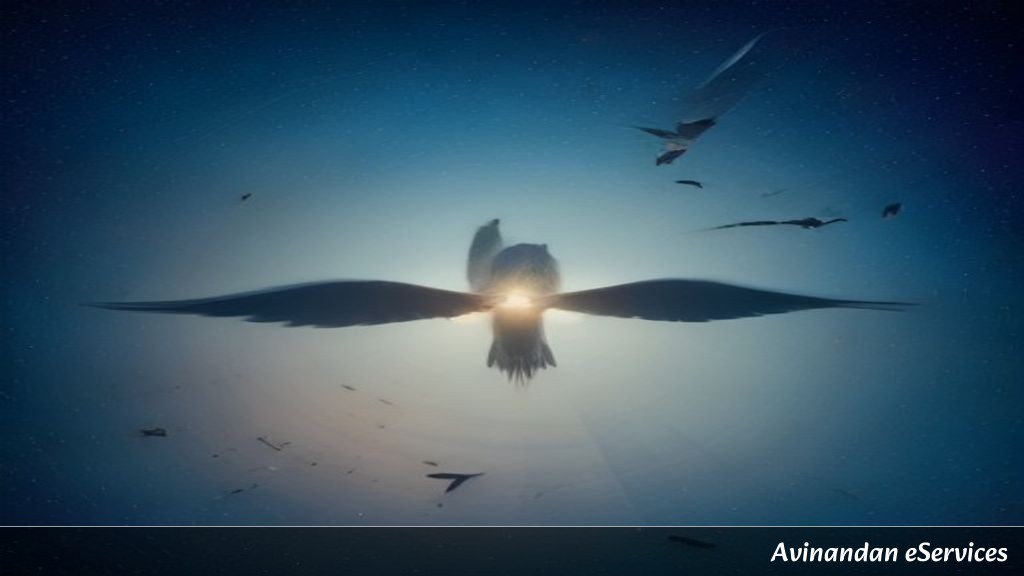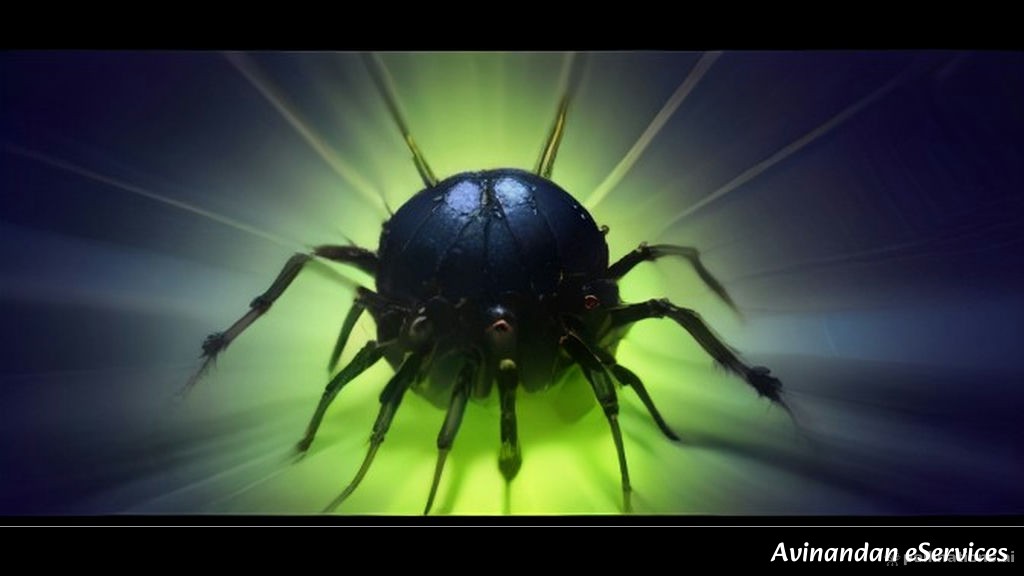
Aarav: Priya, come look at this hibiscus plant! I swear I just saw a superpower. A tiny baby spider stood on the tip of a leaf, raised its back legs like it was doing yoga, shot out thin silk threads, and zoomed straight up into the sky! There is barely any breeze today. How did a wingless spider take off like a mini rocket?
Priya: Whoa, Aarav, you just spotted one of nature's coolest magic tricks! Scientists call that "ballooning." Spiders have been doing it for millions of years to travel to brand-new homes. And good catch noticing the calm air! For nearly two centuries, scientists assumed spiders only rode gusts of wind like tiny parachutes. But recent discoveries proved something wilder: spiders can actually sense and surf Earth's invisible electric fields!
Aarav: Flying with electricity? Like a superhero? Wait—who even noticed spiders flying in the first place?
Priya: Charles Darwin himself wrote about it! Back in 1832, while sailing on the HMS Beagle about a hundred kilometers off South America, thousands of tiny reddish spiders suddenly landed on the ship's sails out in the middle of the ocean! Darwin was puzzled because there was barely any wind. Later, researchers using weather balloons found ballooning spiders drifting over four kilometers high—and they are even among the first creatures to reach brand-new volcanic islands!
Aarav: Four kilometers up?! How does electricity make a spider fly when there are no power sockets on leaves?
Priya: Think of Earth as one giant battery. Every day, around forty thousand thunderstorms rumble across the globe. Those storms pump positive electric charges high into the upper atmosphere while leaving Earth's surface—including trees, leaves, and us—negatively charged. That creates an invisible electric field in the air between the ground and the sky, about a hundred volts per meter on a clear day.
Aarav: A hundred volts per meter? Why don't we get shocked when we go outside to play cricket?
Priya: Because the electric current is super tiny, and humans are way too heavy to feel it. Remember rubbing a plastic scale on dry hair to pick up little bits of paper? That is static electricity! When a spider climbs to the top of a leaf, it picks up \textra negative charges from the ground. As it spins silk, the threads become negatively charged too. Since like charges push each other away, the silk strands spread apart like an upside-down fan, and the positively charged sky pulls them upward!
Aarav: Oh! So the sky pulls the silk up using static electricity! Is there a math formula for how strong that push is?
Priya: Yes! Physicists write the electric force as $F = qE$, where $F$ is the upward force, $q$ is the electric charge on the spider's silk, and $E$ is the strength of the electric field in the air. Even though $q$ is super tiny, a baby spider weighs only about one milligram—less than a grain of salt! So that gentle electric force $F$ easily beats gravity and lifts the spider into the air, where gentle breezes carry it even farther.
Aarav: Wait, how does the spider know when the electric field is strong enough? Does it carry a tiny voltmeter?
Priya: Almost! Spiders have microscopic, super-sensitive hairs on their legs called trichobothria. In 2018, scientists at the University of Bristol placed spiders inside a completely sealed chamber with zero wind and switched on an artificial electric field mimicking Earth's sky. Instantly, those tiny leg hairs bent slightly, signaling it was safe for takeoff! The spiders stood on tiptoes—a pose scientists literally call "tiptoeing"—and floated upward. When researchers turned the field off, the spiders drifted right back down!
Aarav: That is solid proof! Why does this matter for us, besides spiders getting free sky rides?
Priya: It matters for two huge reasons! First, in ecology, ballooning spiders are nature's first responders. After a wildfire or volcanic eruption wipes out an area, spiders are often the first animals to arrive by air, rebuilding ecosystems and keeping insect pests under control. Second, engineers study spider ballooning to design ultra-lightweight, battery-free flying micro-sensors. Imagine tiny sensors drifting high in the sky using silk-like threads and Earth's natural electricity to monitor storms, clouds, and air pollution!
Aarav: That is honestly incredible! Next time I see a spider raising its legs on a quiet afternoon, I'll know it's checking the electric forecast for takeoff!
So, What Did We Learn Today?
Priya: Here is a quick recap of our electric spider chat:
- Ballooning uses electricity: Tiny spiders launch on calm days by riding Earth's invisible electric fields.
- Earth acts like a battery: Thousands of daily thunderstorms keep the sky positively charged and the ground negatively charged.
- Static electricity lifts them: Following $F = qE$, negatively charged silk threads repel each other and get pulled upward by the sky.
- Leg hairs sense the field: Microscopic hairs called trichobothria tell the spider when it is ready for takeoff.
- It inspires technology: Engineers are designing tiny, battery-free flying weather sensors based on this trick.
Aarav: And I also learned that rubbing a plastic scale on my hair won't make me float—so I'll stick to riding my bicycle!