In a decisive push toward inclusive growth and grassroots empowerment, the Ministry of Social Justice and Empowerment has detailed the remarkable progress achieved under the Pradhan Mantri Anusuchit Jaati Abhyuday Yojana (PM-AJAY). Providing a comprehensive update, Secretary Shri Sudhansh Pant underscored the government's unwavering commitment to uplifting Scheduled Caste (SC) communities through targeted interventions in infrastructure, skill development, livelihood generation, and education. By consolidating multiple erstwhile initiatives into a unified, high-impact framework, PM-AJAY has emerged as a cornerstone of India's social welfare architecture, bridging critical developmental gaps and fostering sustainable economic independence across rural and urban landscapes.
Key Highlights & Major Announcements
- Unified Framework: PM-AJAY has been implemented as a merged Centrally Sponsored Scheme since FY 2021-22, combining three major erstwhile schemes (PMAGY, SCA to SCSP, and BJRCY) for streamlined execution.
- Adarsh Gram Component: A total of Rs. 3,545.103 Crore has been released from FY 2014-15 to date, covering 48,811 selected villages, out of which 16,022 villages have successfully achieved prescribed developmental indicators.
- Grant-in-Aid & Livelihoods: Rs. 7,142.692 crore has been disbursed to States and UTs since FY 2014-15, directly benefiting 34.61 lakh individuals through skill development and income-generating projects.
- Hostel Infrastructure: Rs. 498.215 crore has been sanctioned for 244 hostels, providing secure accommodation and expanding educational access for 24,131 SC students.
- Recent Momentum (FY 2024-25 & 2025-26): Robust progress has been maintained with Rs. 629.26 crore released for Adarsh Grams (8,823 villages declared), Rs. 705.638 crore under Grant-in-Aid, and Rs. 80.115 crore allocated for 46 new hostels.
Understanding PM-AJAY: Structure and Execution Strategy
The Pradhan Mantri Anusuchit Jaati Abhyuday Yojana represents a strategic evolution in India's social welfare policy. Launched as a unified Centrally Sponsored Scheme, PM-AJAY merges the Pradhan Mantri Adarsh Gram Yojana (PMAGY), Special Central Assistance to Scheduled Castes Sub Plan (SCA to SCSP), and Babu Jagjivan Ram Chhatrawas Yojana (BJRCY). This consolidation eliminates administrative overlaps, optimizes resource allocation, and ensures a synchronized approach toward poverty alleviation and social equity.
1. The Adarsh Gram Component
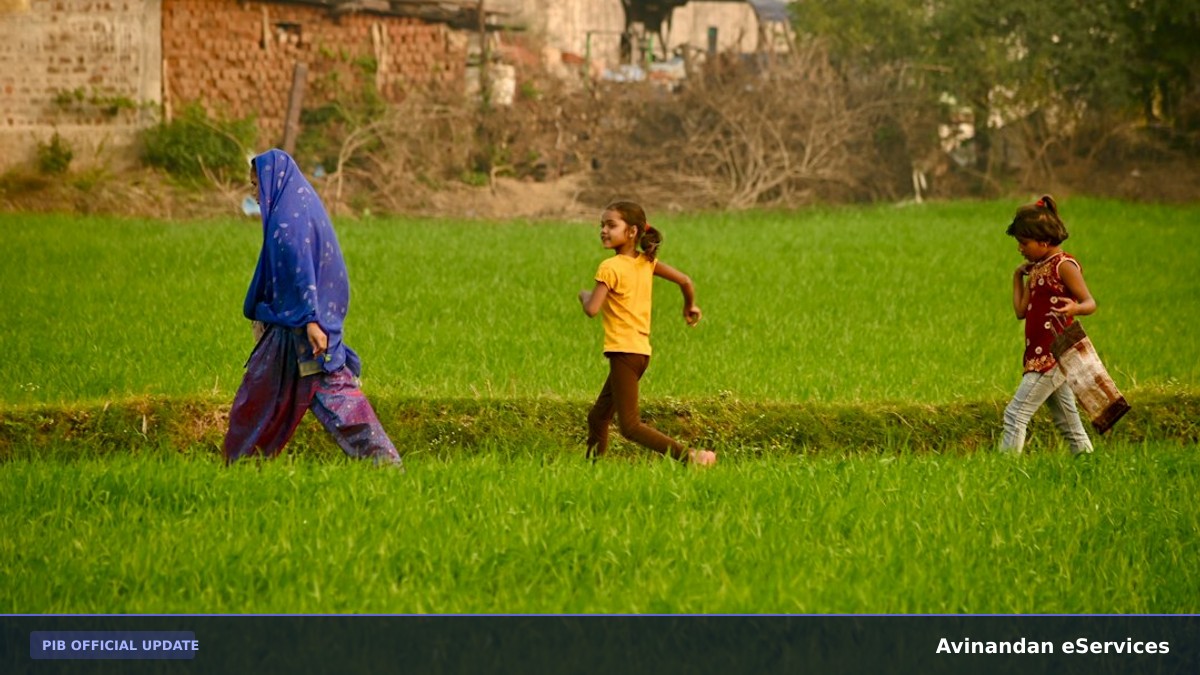
Focused on the holistic transformation of SC-majority villages, the Adarsh Gram component addresses critical infrastructural gaps and ensures access to essential public services. By targeting villages with substantial Scheduled Caste populations, the scheme works to upgrade local infrastructure—ranging from sanitation and clean drinking water to all-weather connectivity and community assets. Out of 48,811 selected villages, an impressive 16,022 have met stringent developmental parameters and have been officially declared 'Adarsh Gram' (Model Villages).
2. Grant-in-Aid for Livelihoods and Skill Development
Economic empowerment forms the bedrock of sustainable social upliftment. Under the Grant-in-Aid component, financial assistance is \textended to States and Union Territories to catalyze income-generating activities. With over Rs. 7,142 crore disbursed since 2014-15, more than 34.61 lakh beneficiaries have gained access to specialized skill training, livelihood promotion programs, and micro-enterprise support, enabling them to transition from wage dependency to economic self-reliance.
3. Educational Support via the Hostel Component
Recognizing that education is the ultimate catalyst for generational change, the Hostel component focuses on building and expanding residential facilities for SC students. By funding the construction of hostels across educational hubs, the initiative ensures that financial constraints and geographical isolation do not hinder young minds from pursuing higher education. To date, 244 hostels have been supported, benefiting over 24,000 students.
"Through PM-AJAY, the Government remains committed to fostering inclusive development, expanding livelihood and educational opportunities, reducing poverty and improving the overall quality of life of Scheduled Caste communities across the country." — Shri Sudhansh Pant, Secretary, Ministry of Social Justice And Empowerment
Significance and National Impact on Inclusive Growth
The sustained financial outlays and targeted execution of PM-AJAY reflect a paradigm shift in governance—moving away from fragmented welfare delivery toward outcome-driven, localized development. By addressing the multidimensional challenges faced by Scheduled Caste communities—such as lack of basic infrastructure, employment barriers, and educational dropouts—the scheme directly contributes to India's broader vision of 'Sabka Saath, Sabka Vikas'.
The emphasis on bridging infrastructural deficits in rural areas ensures that economic development is decentralized, leaving no community behind. Furthermore, the strong emphasis on skill development equips the youth with contemporary market-ready capabilities, aligning with national missions like Skill India and Atmanirbhar Bharat. As hundreds of villages attain 'Adarsh Gram' status annually, they serve as benchmarks of inclusive progress, inspiring neighboring regions to adopt integrated developmental models.
Frequently Asked Questions (FAQs)
What is the primary objective of the PM-AJAY scheme?
The primary objective of the Pradhan Mantri Anusuchit Jaati Abhyuday Yojana (PM-AJAY) is to reduce poverty among Scheduled Caste communities by generating additional employment through skill development, income-generating activities, and upgrading infrastructure and essential services in SC-dominated villages.
Which three schemes were merged to form PM-AJAY?
PM-AJAY is a merged Centrally Sponsored Scheme implemented since 2021-22, combining the Pradhan Mantri Adarsh Gram Yojana (PMAGY), Special Central Assistance to Scheduled Castes Sub Plan (SCA to SCSP), and Babu Jagjivan Ram Chhatrawas Yojana (BJRCY).
How does the Adarsh Gram component function?
The Adarsh Gram component focuses on the integrated development of Scheduled Caste-majority villages by addressing critical gaps in infrastructure and essential services. Once villages meet specific prescribed developmental indicators, they are officially declared as Adarsh Gram.
What educational support does the scheme provide?
Under the Hostel Component of PM-AJAY, financial assistance is provided for the construction and expansion of hostel facilities to improve access to educational opportunities and secure accommodation for students belonging to Scheduled Caste communities.
Official Source & Verification
This article is grounded on the official press release issued by the Press Information Bureau (PIB), Government of India (Release ID: 2312584, Ministry of Social Justice & Empowerment). Access the official document: https://pib.gov.in/PressReleasePage.aspx?PRID=2312584&lang=1.