Key Highlights & Major Announcements
- Massive Financial Outlay: Since the financial year 2014-15, the PMEGP has assisted approximately 8.12 lakh micro-entrepreneurs with Margin Money (MM) subsidies.
- Subsidy Disbursement: A total of Rs. 24,398.61 crore has been disbursed as subsidies to bolster the establishment of new micro-enterprises.
- Employment Generation: The scheme has been instrumental in creating sustainable employment opportunities for approximately 73.08 lakh individuals across the country.
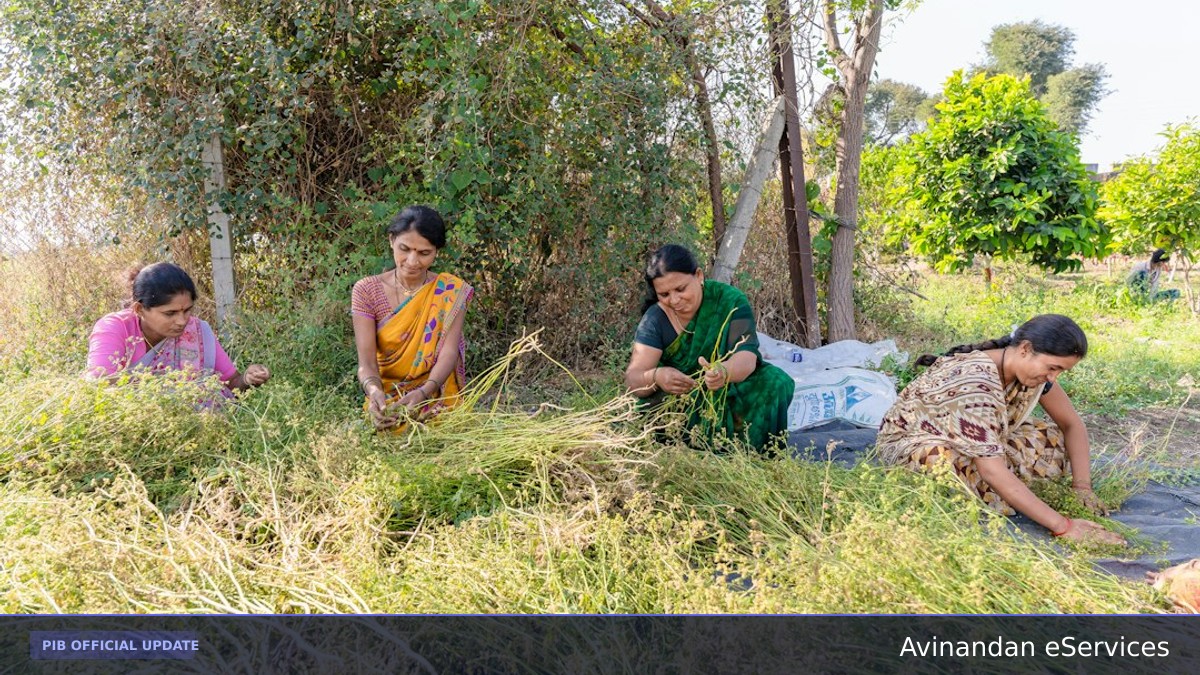
- Focus Areas: Primary emphasis remains on the non-farm sector, specifically targeting rural and semi-urban regions to prevent urban migration and promote local economies.
- Financial Mechanism: Assistance is provided through Margin Money (MM) subsidies on bank-sanctioned loans, reducing the initial capital burden on new business owners.
Understanding PMEGP: The Engine of Grassroots Entrepreneurship
The Prime Minister’s Employment Generation Programme (PMEGP) is more than just a credit-linked subsidy scheme; it is a strategic intervention designed to harness the entrepreneurial energy of India's youth. By bridging the gap between ambition and capital, the Ministry of MSME ensures that lack of funds does not stifle innovation. The scheme operates by providing a percentage of the project cost as a subsidy, which is then adjusted against the loan provided by partner banks.
The implementation through KVIC at the national level, and through State KVIC Directorates, State Khadi and Village Industries Boards (KVIBs), and District Industries Centres (DICs) at the local level, ensures a decentralized approach. This structure allows the benefits to reach the remotest corners of India, fostering an inclusive growth model that prioritizes marginalized communities and women entrepreneurs.
"PMEGP is transforming the aspirations of ordinary individuals into successful enterprises by providing easy access to credit supported by MM subsidy. It enables first-generation entrepreneurs to establish viable businesses, turning job seekers into job creators."
From Micro to Macro: Inspiring Success Stories
The true impact of PMEGP is best understood through the lens of those who have utilized the scheme to build empires from scratch. Two notable examples highlight the scalability of PMEGP-supported units.
1. Skinkaanti Ayurveda: A Revolution in Handmade Skincare
Founded by Smt. Pooja Sharma in Parwanoo, Himachal Pradesh, Skinkaanti Ayurveda is a testament to the power of PMEGP. Starting with a modest project cost of Rs. 25 lakh and supported by the State Bank of India, this micro-enterprise has scaled to become India’s largest handmade soap manufacturing unit. Today, the company boasts an annual turnover of Rs. 30 crore and employs 300 people, 95% of whom are women. By integrating traditional Ayurvedic wisdom with modern manufacturing efficiency, Skinkaanti Ayurveda has become a national leader in the FMCG sector.
2. M/s Ess Pee Quality Products: Taking Indian Flavors Global
In Mohali, Punjab, Shri Surender Pal Singh Nagi established M/s Ess Pee Quality Products with an initial investment of Rs. 21 lakh financed by the Bank of Baroda. What began as a small food processing unit has evolved into a global competitor with a Rs. 38 crore turnover. Specializing in honey, cookies, and fruit jams, the enterprise now exports to 26 countries, including the USA, Australia, and France. Their AA+ BRCGS certification serves as a benchmark for quality, proving that PMEGP-funded units can meet and exceed international standards.
Significance & National Impact: Driving the Atmanirbhar Bharat Vision
The PMEGP is a vital component of the 'Atmanirbhar Bharat' (Self-Reliant India) and 'Vocal for Local' campaigns. Its significance \textends beyond mere statistics, impacting the socio-economic fabric of the nation in several ways:
1. Rural Industrialization and Migration Control
By incentivizing the setup of units in rural areas, PMEGP creates local employment, thereby reducing the distress migration of labor to overpopulated urban centers. This leads to a more balanced regional development and strengthens the rural economy.
2. Women Empowerment and Social Inclusion
As seen in the case of Skinkaanti Ayurveda, PMEGP provides a platform for women to lead and succeed. The scheme offers higher subsidy rates for special categories, including women, SC/ST, OBCs, and minorities, ensuring that the growth is truly inclusive.
3. Strengthening the MSME Ecosystem
MSMEs contribute significantly to India's GDP and exports. PMEGP acts as a feeder for this sector, constantly injecting new blood and innovative ideas into the market. The transition of these units from micro to small and medium enterprises ensures long-term economic resilience.
How to Apply for PMEGP: A Step-by-Step Guide
Prospective entrepreneurs can apply for the PMEGP subsidy through a streamlined digital process. Here is how you can begin your journey:
- Visit the Portal: Navigate to the official PMEGP e-portal at https://pmegp.msme.gov.in/.
- Project Report: Prepare a detailed project report (DPR) outlining the business model, cost, and expected employment.
- Documentation: Ensure you have your Aadhaar card, educational certificates (if applicable), and category certificates ready.
- Bank Selection: Choose a preferred bank for the loan component. The subsidy will be credited to a separate account once the loan is sanctioned.
Frequently Asked Questions (FAQs)
What is the maximum project cost allowed under PMEGP?
Under the PMEGP scheme, the maximum project cost for the manufacturing sector is Rs. 50 lakh, while for the service sector, it is Rs. 20 lakh. The subsidy (Margin Money) ranges from 15% to 35% depending on the category of the applicant and the location of the project.
Who is eligible to apply for a PMEGP loan?
Any individual above 18 years of age is eligible. For projects costing above Rs. 10 lakh in manufacturing and Rs. 5 lakh in the service sector, the applicant must have at least passed the VIII standard. Self-help groups and charitable trusts are also eligible under certain conditions.
Is there any collateral required for PMEGP loans?
As per RBI guidelines, projects up to Rs. 10 lakh are generally collateral-free. For higher amounts, the Credit Guarantee Fund Trust for Micro and Small Enterprises (CGTMSE) provides coverage, though individual bank policies may vary.
Can an existing business apply for PMEGP?
PMEGP is primarily for setting up new micro-enterprises. However, there is a provision for a second loan for existing well-performing PMEGP/REGP/MUDRA units for upgrading and expanding their business.